The science glossary
Springboard DEC
Hi, my name is Marc-Olivier Parayre, I am currently studying in springboard DEC. What is springboard DEC you may ask? Well, basically it's a program for those who are still unsure what they want to study in or you can catch up on subjects you need to go to a program. For example, I need my science and my chemistry to go in animal health. Plus, the program obligates you to do your basic subjects (philosophy, English, French and etc) not to be behind on your overall college courses while you think about what you want to do or work on the subjects you need. The words in this glossary or entirely related to the basic notions of science, those words have been chosen on their difficulty of learning and don't worry they are easy to learn. I will show you around 20 terms that represents the science field, I hope you will learn a thing or two.
- Atom
- An atom is the smallest unit of ordinary matter that forms a chemical element.
- Example: Potassium, Neon, Hydrogen, Aluminum.

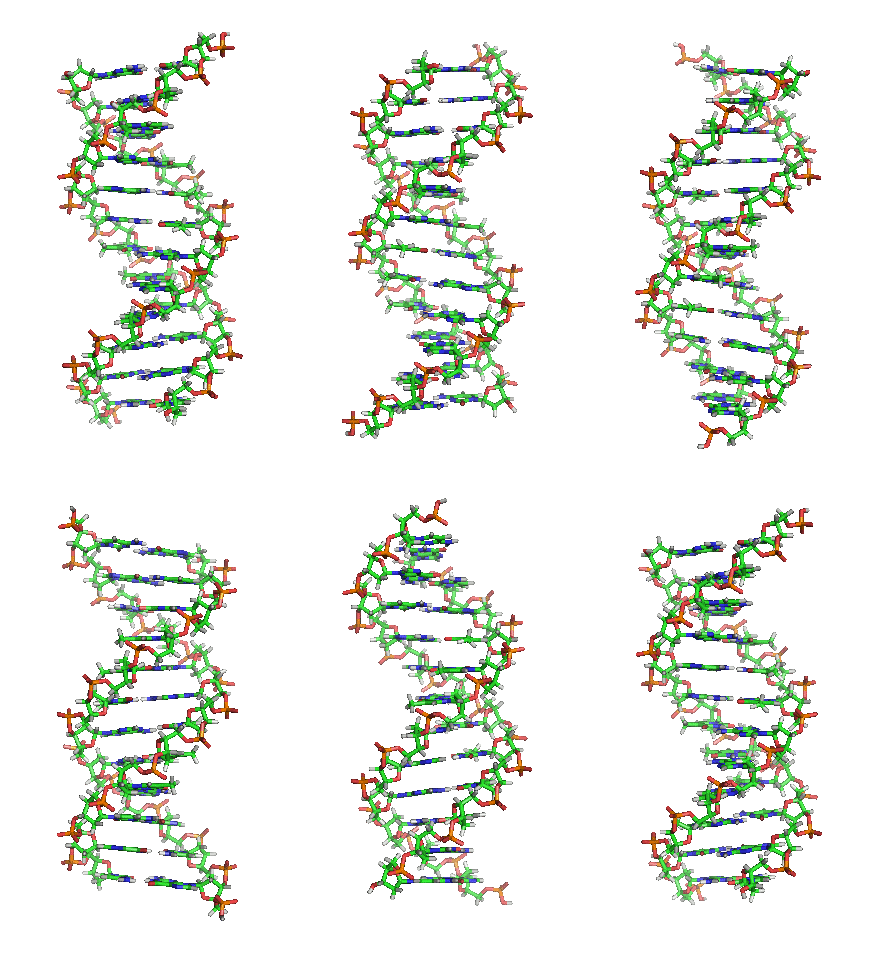
- DNA
- Deoxyribonucleic acid, a self-replicating material which is present in nearly all living organisms as the main constituent of chromosomes. It is the carrier of genetic information.
- Periodic table
- An arrangement of the symbols of chemical elements in rows and columns, showing similarities in chemical behavior, especially between elements in the same columns.

- Thermal energy
- Thermal energy refers to the energy contained within a system that is responsible for its temperature. Heat is the flow of thermal energy.

- Lithosphere
- The lithosphere is the outer solid part of the earth, including the crust and uppermost mantle.

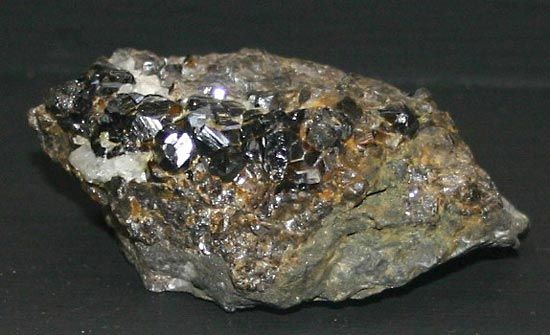
- Ore
- Ore is natural rock or sediment that contains one or more valuable minerals, typically metals, that can be mined, treated and sold at a profit. Ore is extracted from the earth through mining and treated or refined, often via smelting, to extract the valuable metals or minerals.
- Example: when you rub a balloon on your hair, your hair get filled with positive electricity and its a attracted to the balloon.
- Hydrosphere
- The hydrosphere includes water that is on the surface of the planet, underground, and in the air. It can be liquid, vapor, or ice.

- Static energy
- Static electricity is an imbalance of electric charges within or on the surface of a material. The charge remains until it is able to move away by means of an electric current or electrical discharge.

- Magnetic field
- A magnetic field is a vector field that describes the magnetic influence on an electric charge of other moving charges or magnetized materials. A charge that is moving in a magnetic field experiences a force perpendicular to its own velocity and to the magnetic field. Fun fact, the earth has also a magnetic field that mostly protects the earth from the dangerous rays of the sun.

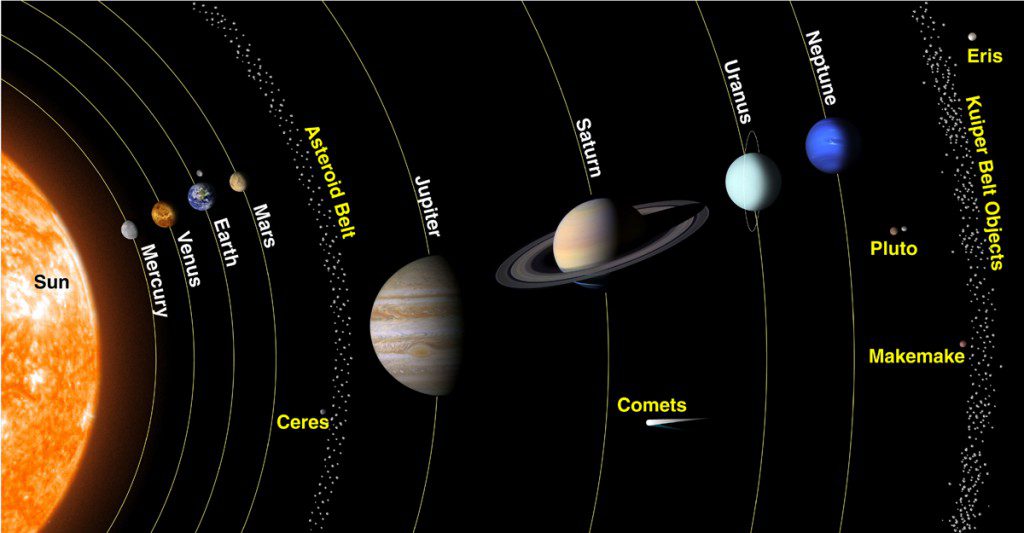
- Solar system
- The collection of eight planets and their moons in orbit around the sun, together with smaller bodies in the form of asteroids, meteoroids, and comets.
- Biology
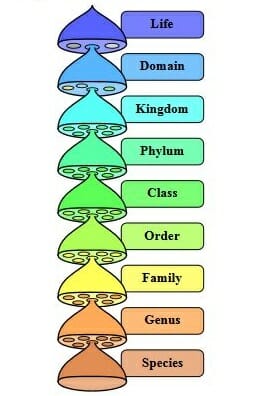
- Biology is the natural science that studies life and living organisms, including their physical structure, chemical processes, molecular interactions, physiological mechanisms, development and evolution.
- Ecosystem
- An ecosystem is a community of living organisms in conjunction with the nonliving components of their environment, interacting as a system.

- Cells
- The cell is the basic structural, functional, and biological unit of all known organisms. A cell is the smallest unit of life. Cells are often called the "building blocks of life".

- Neurology
- Neurology is a branch of medicine dealing with disorders of the nervous system.

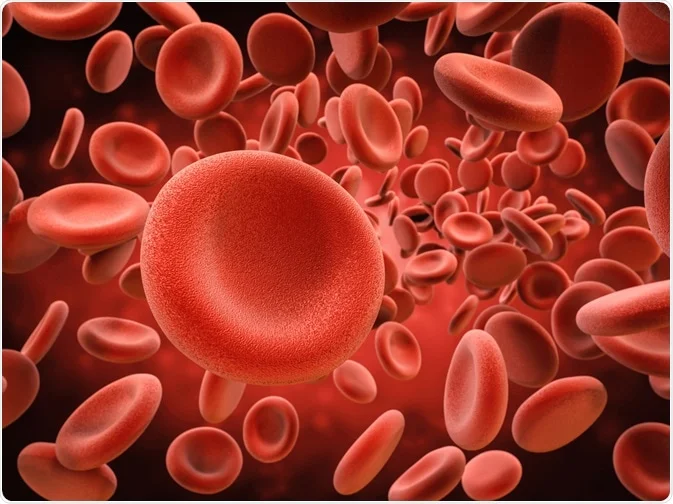
- Red blood cell
- Blood cells that carry oxygen to all parts of the body. Red blood cells (RBCs) have a high concentration of hemoglobin, a protein that binds to oxygen from the lungs and that gives blood its red color.
- White blood cells
- White blood cells (WBCs), are the cells of the immune system that are involved in protecting the body against both infectious disease and foreign invaders.

- Molecule
- A group of atoms bonded together, representing the smallest fundamental unit of a chemical compound that can take part in a chemical reaction.
- Example: 2 Hydrogen + Oxygen = H20, Carbon + 2 Oxygen = C02 and etc.

- Exploded view drawing
- An exploded view drawing is a diagram, picture, schematic or technical drawing of an object, that shows the relationship or order of assembly of various parts.

- Capacitor
- a device used to store an electric charge, consisting of one or more pairs of conductors separated by an insulator on a motherboard.

- Printed circuit board
- A printed circuit board (PCB) mechanically supports and electrically connects electrical or electronic components using conductive tracks, pads and other features etched from one or more sheet layers of copper laminated onto and/or between sheet layers of a non-conductive substrate.

- Motherboard
- A motherboard (also called mainboard, main circuit board, system board, baseboard, planar board, logic board, and mobo) is the main printed circuit board (PCB) in general-purpose computers and other expandable systems.
